Protect the Vehicles Your Business Depends On
When a work truck misses a shift, your business may miss a delivery, appointment, or job deadline. Fleet transmission maintenance in Ontario helps owners organize inspections, recognize developing symptoms, and make repair decisions with better information. For contractors, delivery businesses, and service companies, that preparation supports more reliable scheduling.
Daniel Transmission in Woodbridge has served customers since 1986. We offer fleet transmission diagnostics, maintenance, repair, rebuilding, and replacement services. A practical maintenance approach starts with understanding how each pickup or van is used, rather than applying one service schedule to every vehicle.
Match Maintenance to the Workload
Two identical vans may need different service planning if one carries light tools locally and another regularly tows equipment. Record mileage, typical loads, towing activity, and operating patterns for each vehicle. Long periods of idling, frequent low speed operation, and commercial use may also matter.
Follow the manufacturer guidance for the specific vehicle, transmission, and operating conditions. Some manufacturer schedules include additional maintenance for towing or certain commercial duties. Avoid choosing a universal fluid change interval simply because it worked for another truck. The correct fluid specification and service procedure matter as well.
Give Drivers a Simple Symptom Checklist
Drivers often notice changes before a vehicle reaches the workshop. Ask them to report delayed Drive or Reverse engagement, unexpected engine speed changes, harsh shifts, new vibrations, leaks, warning messages, and unusual noises. Reports should describe what happened without guessing which component failed.
A useful entry includes the vehicle identifier, mileage, date, load, and whether the vehicle was cold or warm. Encourage prompt reporting of repeated symptoms. A short, consistent checklist makes information easier to compare across vehicles and helps the shop investigate concerns that appear only under particular working conditions.
Respond Clearly to Warning Messages
A busy schedule can tempt a driver to finish the route despite a warning. Establish a response process based on the owner’s manual and the symptoms involved. An overheating message that requires stopping should be treated accordingly. Losing drive or experiencing severe grinding also calls for assistance and assessment.
Do not ask drivers to reproduce a dangerous fault or keep operating a truck that feels unsafe. Identify who should receive the report, authorize assistance, and contact the repair shop. Clear responsibilities reduce confusion when a vehicle develops a problem away from the depot.
Include Leaks and Cooling Components
Maintenance planning should consider transmission fluid leaks, cooler lines, and cooling components where fitted. A small visible leak deserves investigation because the source and fluid level need confirmation. Damaged lines or connections may require attention before further operation.
Service needs differ between transmission designs. Fluid, filter, and pan gasket work should follow the applicable requirements, while cooler inspection or service should match the vehicle and repair circumstances. Keep records of what was inspected, which products were used, and the mileage at service so future decisions have a reliable starting point.
Diagnose Problems Before Scheduling Major Repairs
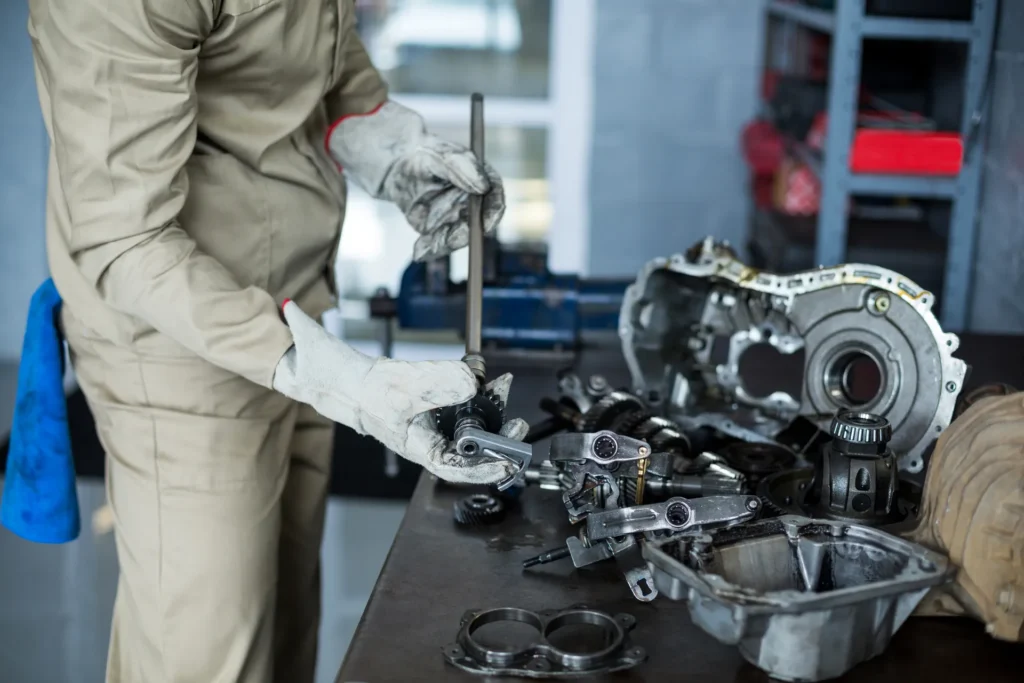
A slipping or shuddering work van needs an investigation that considers its symptoms and operating conditions. Scanning, inspection, and appropriate testing can help identify whether transmission controls, hydraulic operation, internal components, or another drivetrain issue requires attention.
Ask for condition reporting that explains the findings and recommended next steps. Rebuilding and replacement are potential solutions when supported by the assessment, but they should not be assumed from one symptom alone. Repair planning is more useful when it reflects the vehicle’s condition, workload, and role in your business.
Plan Approvals and Downtime
Decide who can approve diagnostic work and who must authorize repairs. Provide contact information and explain how quickly your team needs updates. Share relevant operational deadlines so scheduling discussions reflect your business needs without assuming a guaranteed completion time.
Keep a central service record for each truck or van. Reviewing repeated symptoms, repair history, and upcoming maintenance helps you identify vehicles that need closer attention. Planned visits can also be coordinated around workload where practical, giving your team more opportunity to prepare alternative transport.
Include spare vehicles in your planning, because a truck still needs attention to its condition and ongoing maintenance requirements.
Talk to Daniel Transmission About Your Fleet
From contractor pickups to commercial vans, Daniel Transmission helps Ontario businesses assess transmission concerns and plan suitable service. Contact our Woodbridge team to discuss fleet diagnostics, maintenance, or repairs. Bring your vehicle list and current concerns to start a practical conversation about keeping your work vehicles ready for their next assignment.
Daniel Transmission — Serving Customers Since 1986
Website: www.danieltransmission.com
Email: info@danieltransmission.com
Address: 40 Hanlan Rd. Unit 33 – Woodbridge ON L4L 3P6
T: +1.905.856.3333
T: +1.905.856.3334
C: +1.416.732.2666